
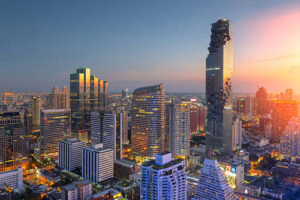
Aerial view of Bangkok modern office buildings, condominium in Bangkok city downtown,Mahanakorn tower with sunset sky , Bangkok , Thailand
The Essence of Bangkok’s Cultural Identity
Bangkok’s cultural landscape reflects the blending of old and new. Traditional Thai values coexist with global artistic influences, resulting in a cityscape where ancient temples stand alongside contemporary art spaces. The rhythm of the city is one of contrasts—where sacred rituals meet avant-garde expression, and where the past and future converse through art, music, and design. Understanding Bangkok’s culture requires experiencing its layers—royal traditions, folk art, spiritual practices, and the voices of modern artists who continue to shape its identity.
Every corner of Bangkok holds a piece of its cultural narrative. The city’s architecture, cuisine, music, and festivals offer glimpses into how Thai culture has adapted over time. Exploring this dimension of Bangkok reveals how creativity thrives amid tradition, making it one of Southeast Asia’s most culturally dynamic capitals.
Exploring the Museums of Bangkok
Museums in Bangkok serve as windows into the city’s heritage and artistic evolution. They are not just repositories of history but living spaces that engage the public in conversations about culture and identity. Whether focusing on ancient relics, royal heritage, or contemporary art, each museum provides a distinct lens into Thai civilization.
Some museums capture the grandeur of Thailand’s royal past, showcasing intricate regalia, classical art, and artifacts that narrate centuries of cultural development. Others delve into ethnographic studies, highlighting the traditions, crafts, and lifestyles of different regions of Thailand. These spaces preserve the tangible and intangible aspects of Thai culture—offering visitors a deep appreciation for the nation’s creativity and craftsmanship.
Modern museums, on the other hand, often challenge conventional narratives. They integrate multimedia installations, interactive exhibits, and experimental displays that invite viewers to reflect on Thailand’s place in the global art scene. Through innovation, these institutions bridge the gap between historical appreciation and modern understanding.
The Thriving Art Gallery Scene
Bangkok’s art galleries are where creativity finds its boldest expressions. The city’s gallery scene has flourished over the past two decades, reflecting a growing appreciation for both local and international contemporary art. Each gallery tells a different story—some highlight experimental works by emerging Thai artists, while others curate thought-provoking exhibitions that tackle social and environmental themes.
In many neighborhoods, repurposed warehouses and traditional shop-houses have become creative hubs where art, culture, and community intersect. These spaces often host rotating exhibitions, installations, and performances that spark dialogue about identity, politics, and the modern Thai experience. The variety and accessibility of these galleries reflect Bangkok’s openness to artistic exploration and its role as a regional hub for contemporary art.
Beyond formal galleries, art is also found in the streets of Bangkok. Murals, graffiti, and public installations transform ordinary walls into vibrant canvases. This informal art movement is a testament to the city’s dynamic energy and its artists’ desire to communicate directly with the public.
Traditional Arts and Cultural Preservation
While Bangkok embraces modern creativity, it remains deeply connected to its traditional roots. Thai dance, classical music, and traditional crafts continue to play a vital role in the city’s cultural life. Traditional performances, often inspired by ancient epics and royal ceremonies, keep the spirit of Thailand’s past alive. Each movement, melody, and costume carries centuries of meaning and technique passed down through generations.
Handicrafts also embody Bangkok’s cultural continuity. From intricate wood carvings to delicate silk weaving, artisans across the city sustain traditions that have defined Thai identity for centuries. These crafts are more than decorative—they reflect a philosophy of harmony, patience, and respect for nature. Workshops and cultural centers dedicated to preserving these skills ensure that traditional knowledge remains relevant in the modern era.
Cultural preservation in Bangkok is not static; it adapts to the times. By combining traditional aesthetics with contemporary design, local artists and craftsmen ensure that Thailand’s heritage continues to evolve while staying rooted in its origins.
Performing Arts and Theatrical Expressions
Bangkok’s performing arts scene captures the city’s flair for storytelling and drama. Traditional Thai theater forms such as Khon and Likay are still performed with grandeur, blending elaborate costumes, music, and dance to narrate tales of gods, heroes, and moral lessons. These performances often take place in cultural venues that maintain authenticity while welcoming modern audiences.
Meanwhile, contemporary theater groups and performing artists experiment with new forms of expression. They incorporate global influences, multimedia elements, and modern themes into their productions, reflecting Bangkok’s cosmopolitan character. The result is a vibrant performance scene that honors the old while pushing the boundaries of creativity.
Music also plays a central role in Bangkok’s cultural life. Traditional Thai instruments coexist with modern genres, creating a sonic landscape that reflects the diversity of the city. From classical orchestras to experimental music events, the performing arts continue to be a platform for dialogue, innovation, and unity.
Cultural Festivals and Public Celebrations
Bangkok’s calendar is rich with festivals that celebrate both ancient traditions and modern creativity. These events transform the city into a living stage where culture, community, and joy converge. Festivals dedicated to Thai New Year, the changing seasons, and religious observances reflect the spiritual and social fabric of Thai society. Streets fill with music, dance, and color, creating moments where residents and visitors alike share in the spirit of celebration.
In addition to traditional festivities, Bangkok also hosts cultural and artistic events that showcase film, literature, and visual arts. These festivals highlight the diversity of voices within Thailand’s creative community and promote cross-cultural exchange. They encourage collaboration among artists, writers, and performers, fostering a sense of unity through artistic expression.
Public art installations and open-air exhibitions have become increasingly popular, bringing art to urban spaces and inviting public participation. Such initiatives emphasize that culture in Bangkok is not confined to institutions—it thrives in everyday life.
Architecture as Cultural Expression
Bangkok’s architecture is another reflection of its cultural complexity. The city’s skyline is a blend of towering skyscrapers, traditional temples, colonial-era buildings, and contemporary design marvels. Each architectural style tells part of Bangkok’s evolving story.
Temples and palaces showcase the elegance of classical Thai architecture, characterized by intricate carvings, sweeping roofs, and symbolic motifs. These structures serve not only as religious sanctuaries but also as artistic masterpieces that embody centuries of craftsmanship and devotion.
At the same time, modern architectural designs reveal Bangkok’s forward-looking spirit. Minimalist galleries, innovative public spaces, and eco-conscious structures represent the city’s growing commitment to sustainability and creativity. The coexistence of historical and modern architecture mirrors the balance between preservation and progress—a defining feature of Bangkok’s cultural identity.
The Role of Creative Communities
The heartbeat of Bangkok’s cultural scene lies in its creative communities. Artists, writers, designers, and performers come together in collaborative spaces that nurture experimentation and dialogue. These communities are often grassroots in nature, driven by passion rather than commercial gain. They organize workshops, exhibitions, and discussions that encourage cultural participation among people of all ages.
Such communities also play a crucial role in shaping Bangkok’s image as a regional center for innovation. They bring together local and international creatives, fostering exchange and understanding. Through shared projects, they challenge traditional notions of art and culture, emphasizing inclusivity, diversity, and expression.
The growth of creative communities has also contributed to the revitalization of older neighborhoods. Abandoned buildings and underused areas have been transformed into cultural hubs, giving new life to the city’s historical spaces. This urban regeneration through art underscores the transformative power of culture in shaping the social and physical landscape of Bangkok.
Education and the Future of Bangkok’s Culture
Education is essential in sustaining and evolving Bangkok’s cultural scene. Art schools, cultural institutions, and universities across the city nurture young talents who will carry forward Thailand’s artistic legacy. These institutions blend traditional teachings with contemporary practices, ensuring that students understand both heritage and innovation.
Workshops and public programs make cultural education accessible beyond academic circles. They encourage residents and visitors to engage with art, history, and performance in interactive ways. By cultivating appreciation and participation, Bangkok ensures that its cultural spirit remains vibrant for generations to come.
The future of Bangkok’s culture lies in its adaptability. As technology and globalization reshape artistic expression, the city’s openness to experimentation will determine its continued relevance as a cultural capital. The balance between preservation and progress will remain at the heart of this journey.